

 Deutsch
 Korean
Types of printed circuit boards:
A comprehensive overview
Printed circuit boards (PCBs) are the heart of almost all electronic devices.
Printed circuit boards are also known as PCBs. They are at the heart of almost all electronic devices and yet there are major differences in the types of PCBs. Depending on the type and application of the PCB, the requirements for its circuit boards vary considerably. In this article, we look at the different types of PCBs in detail and highlight the special features and areas of application of different PCB variants.
At this stage at the latest, the PCB manufacturer comes into play. We are happy to take you on our short journey "PCB basics".
For further topics, we are happy to be your personal contact.
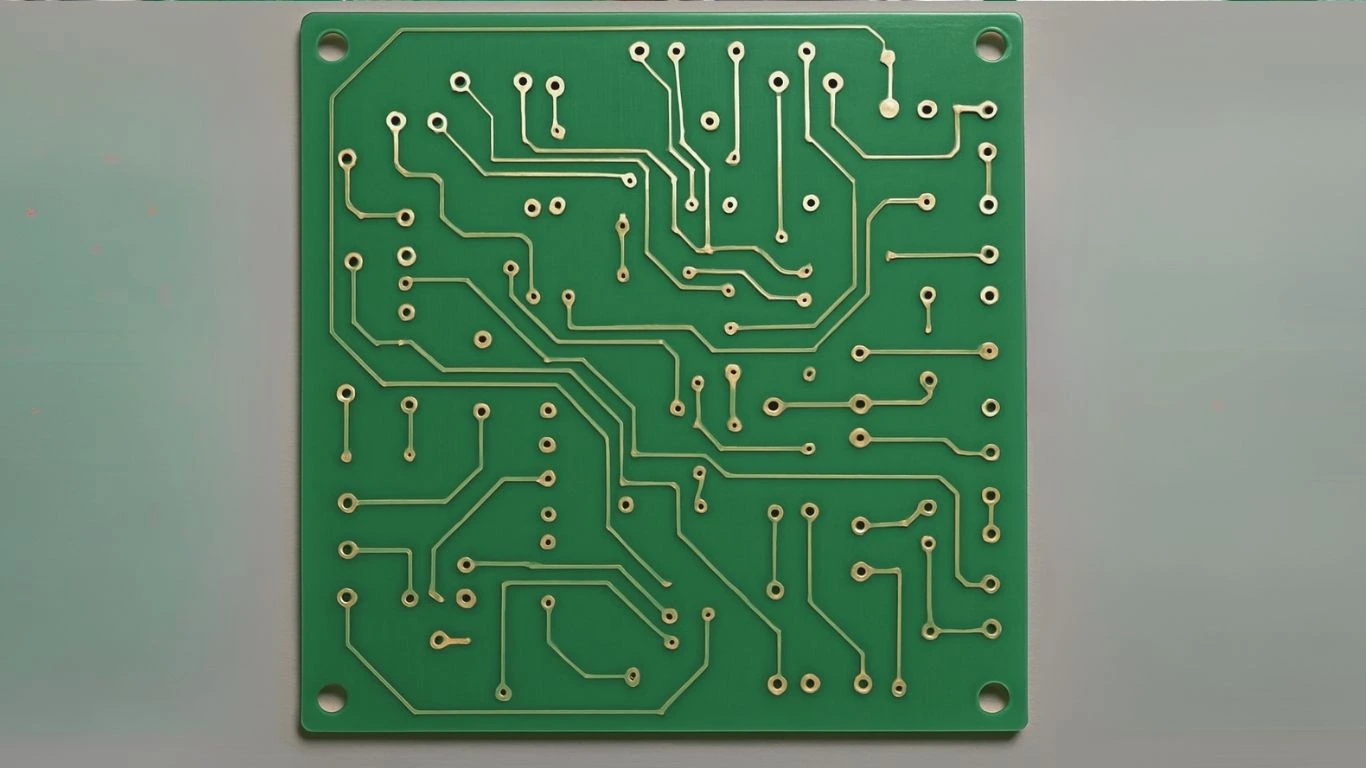
Single-sided printed circuit boards
Single-sided PCBs are the starting point in the development of PCBs.
Single-sided printed circuit boards are PCBs that only have a single copper layer on one side of the substrate, which serves as the conductive path. Due to its simplicity, the single-sided PCB is particularly cost-effective and is ideal for devices with a small range of functions. The single-sided PCB is used in pocket calculators, household appliances, toys and many other products where the circuit density requirements are low. Thanks to the uncomplicated
The production of single-sided PCBs makes them ideal for high-volume PCB production. In addition to their cost efficiency, single-sided PCBs
their reliability in simple circuits. They are less prone to manufacturing errors and are easy to maintain. They are often used in the electronics industry
as an entry-level solution, especially in education and research.
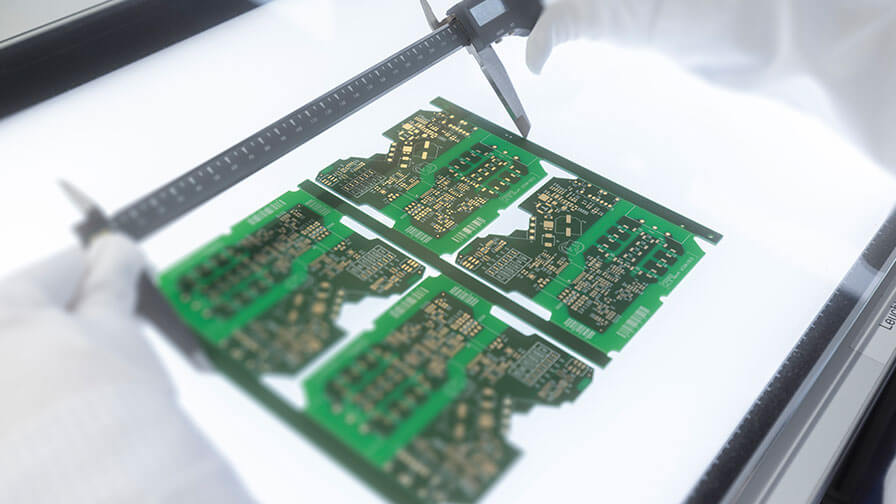
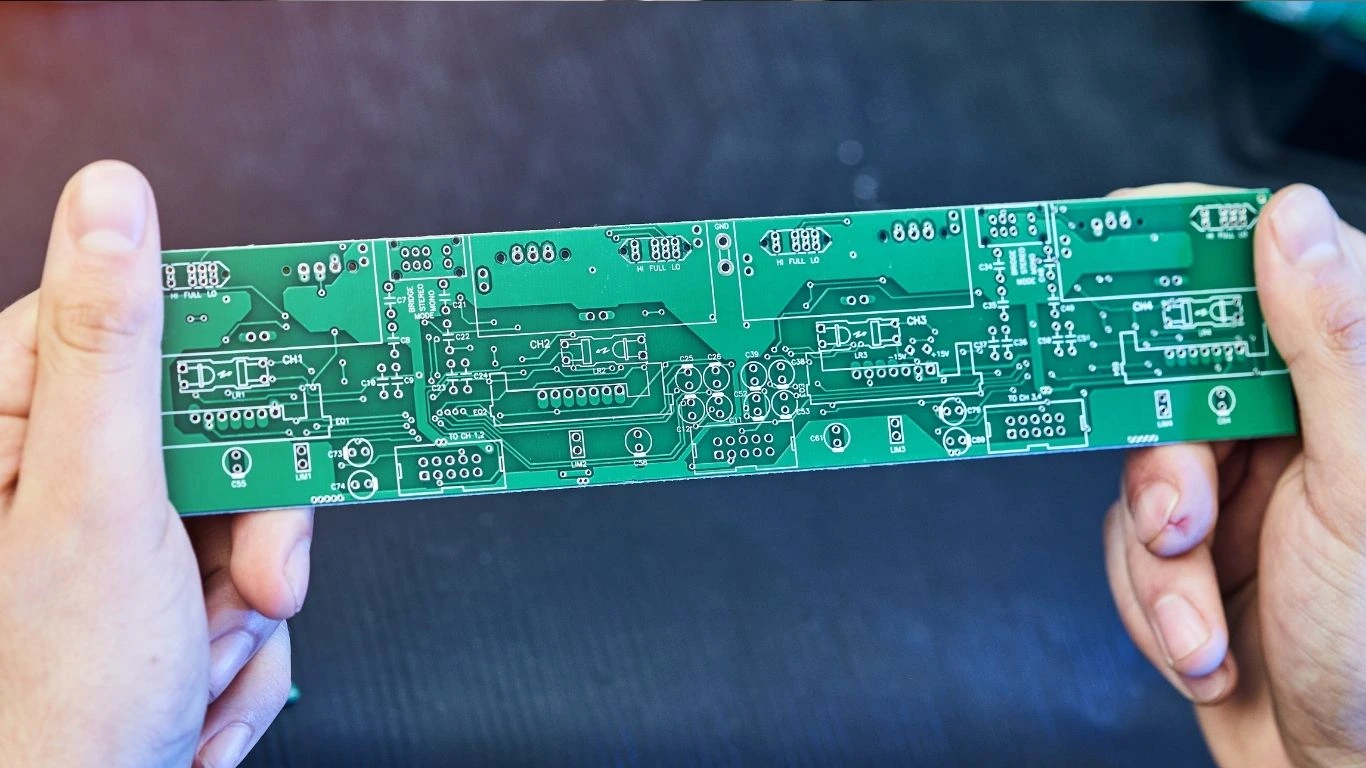
Multi-layer printed circuit boards
Efficient designs for sophisticated high-tech devices
.
Multi-layer printed circuit boards are a type of printed circuit board that consists of several layers of conductive tracks separated by insulating materials. The design of multi-layer PCBs enables extremely compact circuit density and optimized signal routing. Multilayer PCBs are essential in modern technologies such as smartphones, laptops, medical devices and telecommunications systems. Multilayer PCBs offer the possibility of implementing complex electrical requirements in the smallest of spaces while minimizing interference.
Multilayer PCBs also have the ability to integrate signal and ground planes. Multilayer PCBs also improve electromagnetic compatibility (EMC).
This is particularly important in applications that are sensitive to electrical interference. Multi-layer printed circuit boards are used, for example, in
aerospace or in safety-critical medical devices.
High-frequency printed circuit boards
Precise technology for high-speed data and communication
High-frequency printed circuit boards are a type of printed circuit board that was specially developed for applications with high transmission speeds. In high-frequency PCBs, PCB materials are used that have particularly stable dielectric properties and low power dissipation. High-frequency PCBs are a type of PCB that is ideal for communication systems, satellite technology and radar applications. High-frequency PCBs ensure precise signal processing and minimize
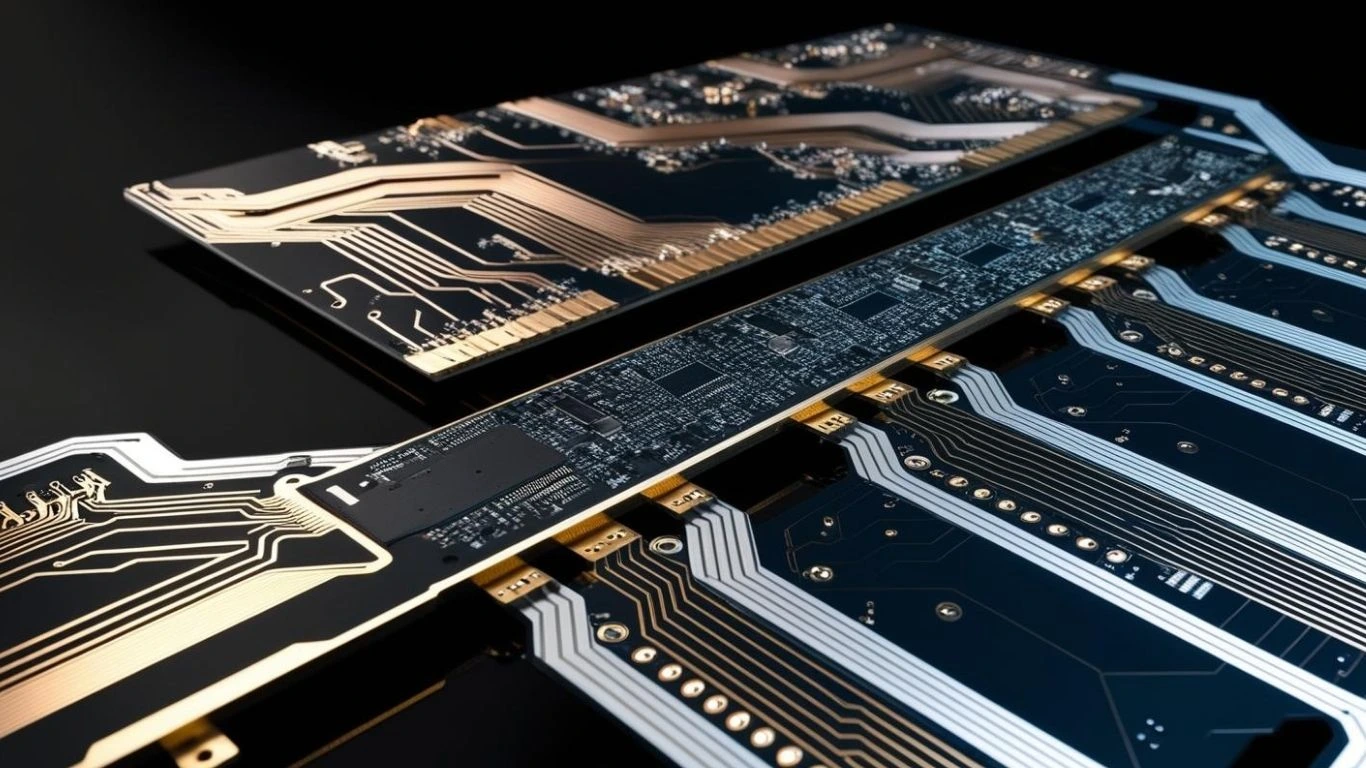
Distortion, making it the first choice for high-frequency applications. However, manufacturing the PCB type "high frequency PCB" requires specialized techniques and materials in PCB manufacturing, which makes it one of the most demanding PCBs, but nevertheless it is an indispensable component in advanced electronic systems. In addition to signal stability, high frequency PCBs also offer excellent thermal properties. These ensure that the signal quality remains constant even at high operating temperatures, making the high-frequency PCB ideal for demanding industrial and military applications.
Flexible printed circuit boards
The perfect choice for compact and movable designs
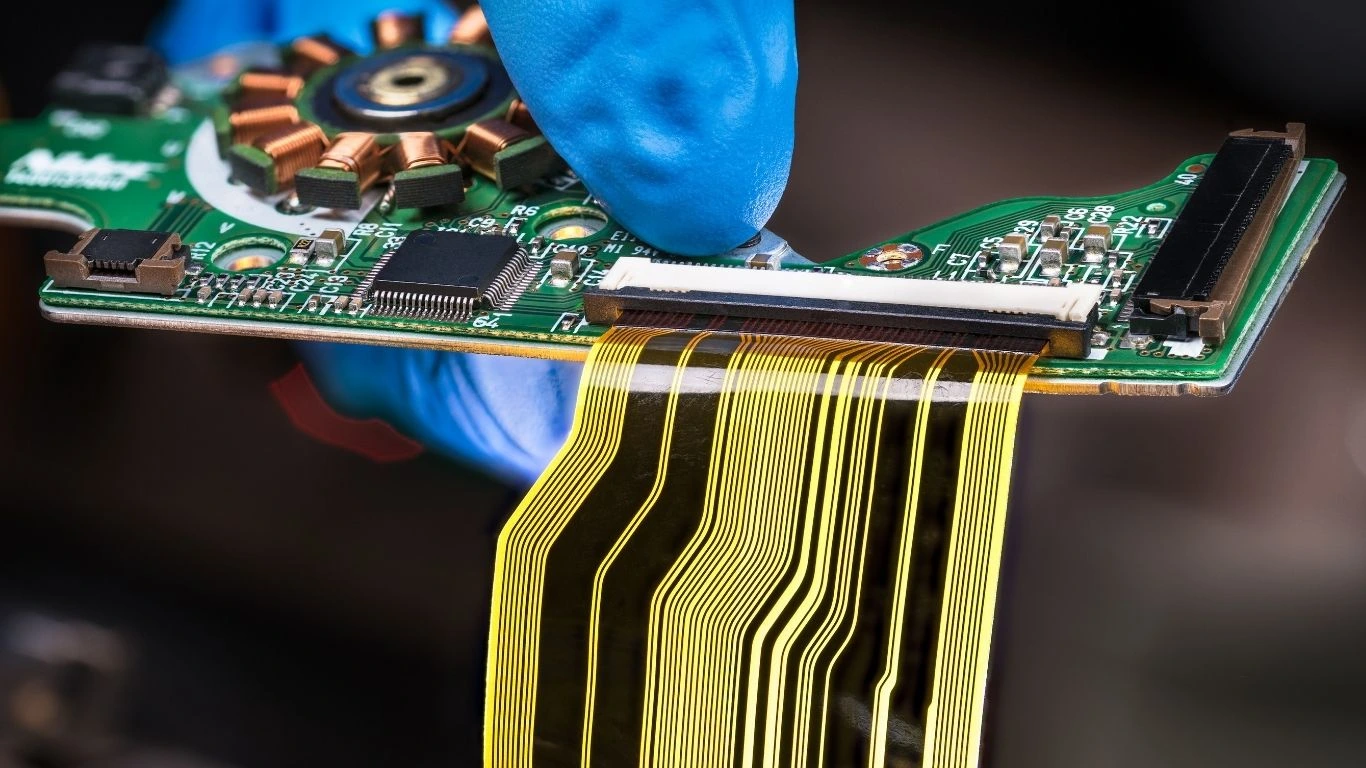
Flexibility is the main feature of this type of PCB. Flexible PCBs are made of bendable materials such as polyimide, which allows the PCB to adapt to irregular shapes. This feature makes the PCB ideal for devices where space is limited or movement is required, for example flexible PCBs are found in wearables, portable medical devices and cameras. By eliminating connectors and cables, the flexible PCB can reduce weight and volume while increasing reliability.
Flexible PCBs are an integral part of modern electronics with a focus on functionality and durability. An additional advantage of flexible
PCBs is their suitability for dynamic applications where constant movement is required. In the automotive industry, for example, they are used in
moving fittings or in door controls, as they retain their functionality even under regular loads.
Starrflex printed circuit boards
An innovative mix of stability and flexibility for multifunctional applications
.
Starrflex PCBs combine the advantages of rigid and flexible PCB types in a single board. The design of the rigid-flex PCBs makes it possible to integrate different functions in one device without having to use separate PCBs. Rigid-flex PCBs are often used in high-end applications such as aerospace, military technology and modern mobile devices. The advantages of rigid-flex PCBs are the reduction of space and weight, in addition to offering a
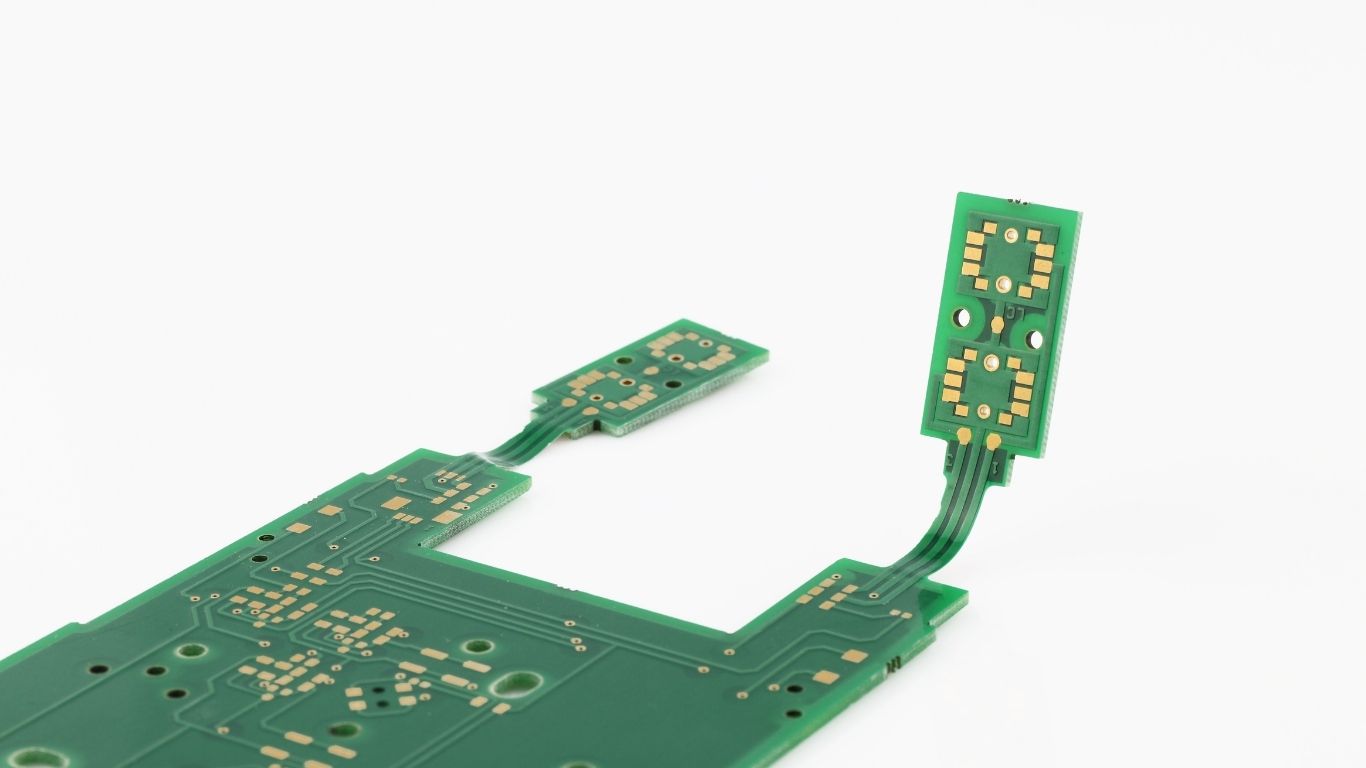
Increased reliability as the number of connectors and solder joints is minimized.
Thanks to their versatile structure, rigid-flex PCBs can meet the requirements of the most demanding designs. They are particularly useful in environments that require both
fixed and flexible connections, such as in robotic systems or in high-precision measuring instruments.
Aluminum printed circuit board
The ideal choice for applications with high thermal requirements
.
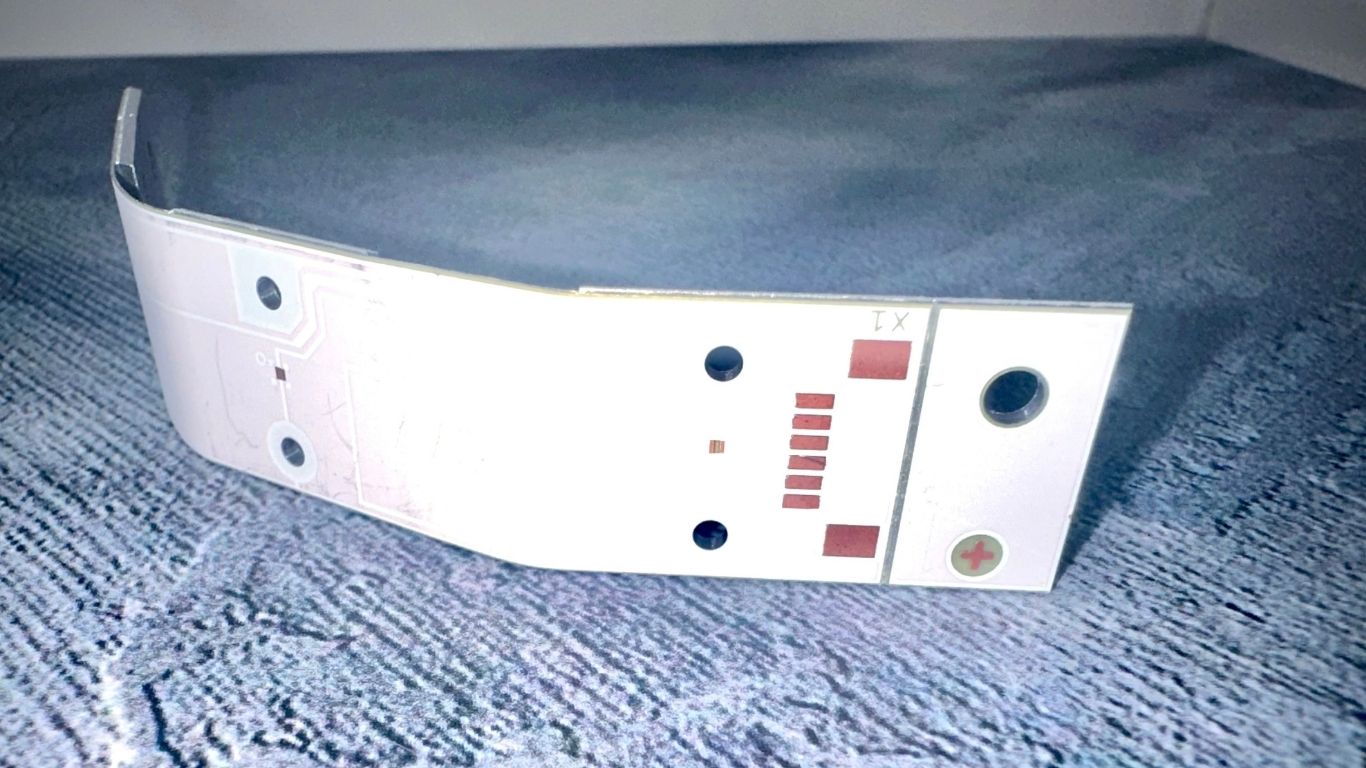
Aluminum PCBs are the preferred PCB type for environments with high heat generation. The aluminum substrate of the PCB ensures excellent heat dissipation and protects sensitive electronic components from overheating. The aluminum PCB is often used in power electronics, automotive applications and high-power LEDs. Thanks to the robust design and thermal efficiency of the aluminum PCB, it contributes significantly to the longevity and reliability of
electronic devices. In addition to the outstanding properties of the aluminum circuit board, the aluminum it contains also serves as a heat manager. Aluminum
PCBs also offer excellent mechanical stability due to the aluminum. This makes them ideal for use in vibration-intensive environments, such as those
occur in industrial machines or in the automotive industry, for example.
Special types of printed circuit boards
Niche solutions for special requirements
In addition to the standard PCB types, there are a number of special solutions that have been developed for specific applications. These include ceramic PCBs, metal core PCBs or PCBs for IoT applications
These special types significantly expand the range of applications for printed circuit boards and enable customized solutions for highly specific requirements.
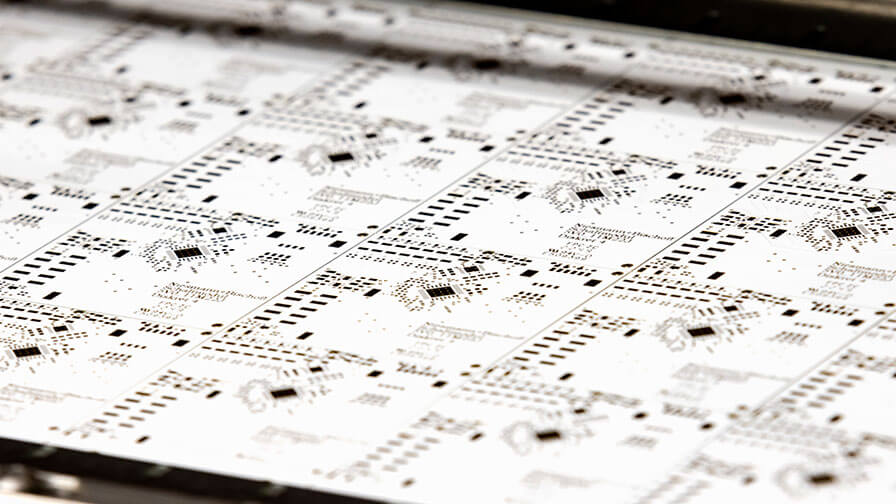
Ceramic, metal core & printed circuit boards for IoT applications
Ceramic PCBs: These PCBs are made of ceramic materials and are particularly resistant to high temperatures and chemical influences. They are often used in the aerospace, automotive and medical technology industries.
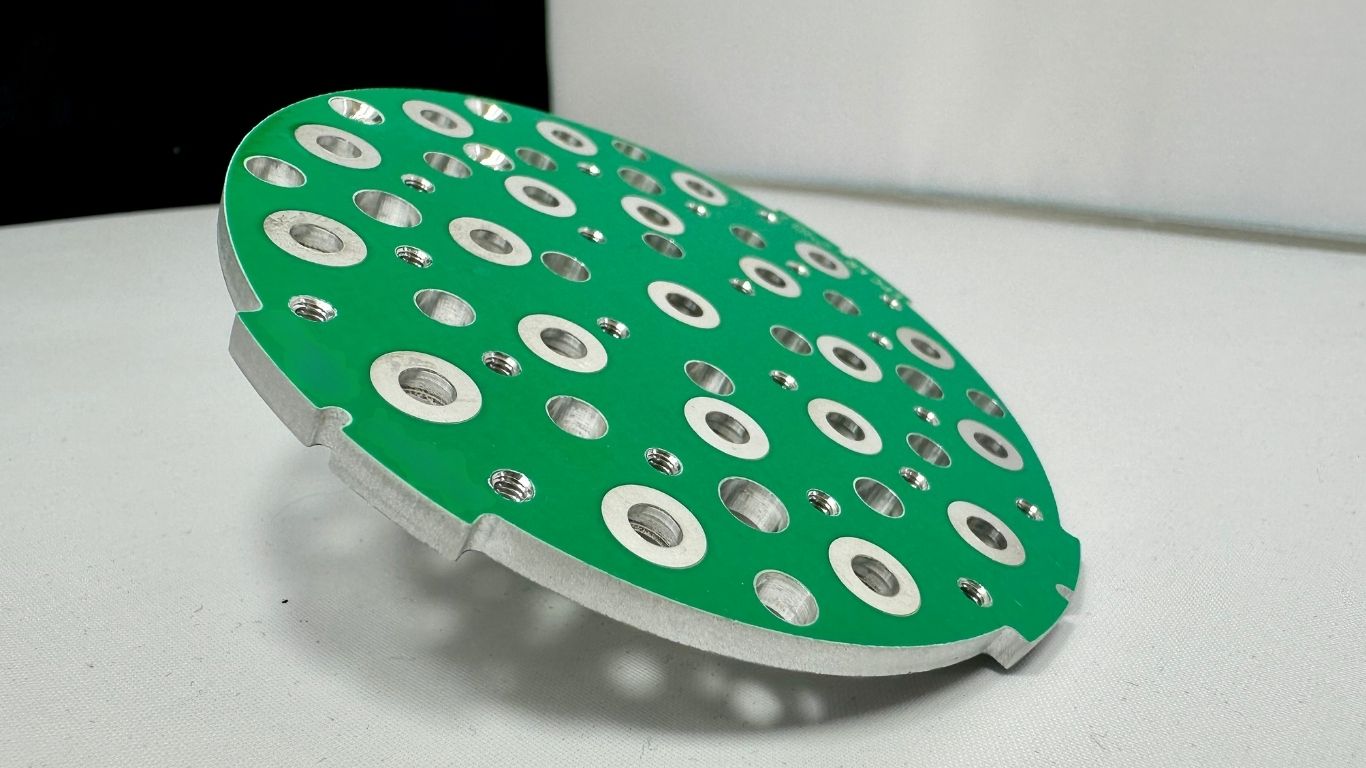
Metal core printed circuit boards (MCPCBs): With a core of aluminum, copper or other metals, they offer superior heat dissipation and are ideal for LED lighting and high-performance electronics.
Printed circuit boards for IoT applications: These PCBs are specially optimized for the requirements of wireless communication and miniaturization. They are used in smart home devices, wearables and other IoT solutions.
Printed circuit boards from EVYTRA: Tailor-made solutions for every need
EVYTRA is your reliable partner for PCBs of the highest quality. With a wide range of products and services, we offer customized solutions for a wide variety of requirements. Our esingle-sided PCBs are ideal for cost-efficient standard applications, while our double-sided and multilayer designs can also cover complex circuit requirements.
Our high-frequency PCBs are characterized by precision and reliability, perfect for communication and high-speed applications. For compact and dynamic devices, we manufacture flexible and rigid-flex PCBs that adapt to demanding geometries and movements. Aluminum PCBs, which you can obtain from EVYTRA, impress with their excellent heat dissipation and mechanical stability.
Each PCB is developed in close cooperation with our customers to meet their specific requirements. With state-of-the-art production facilities and an experienced team, we guarantee the highest quality and on-time delivery. Rely on EVYTRA to make your electronic projects a success.