
 Deutsch
 Korean
Introduction to printed circuit boards
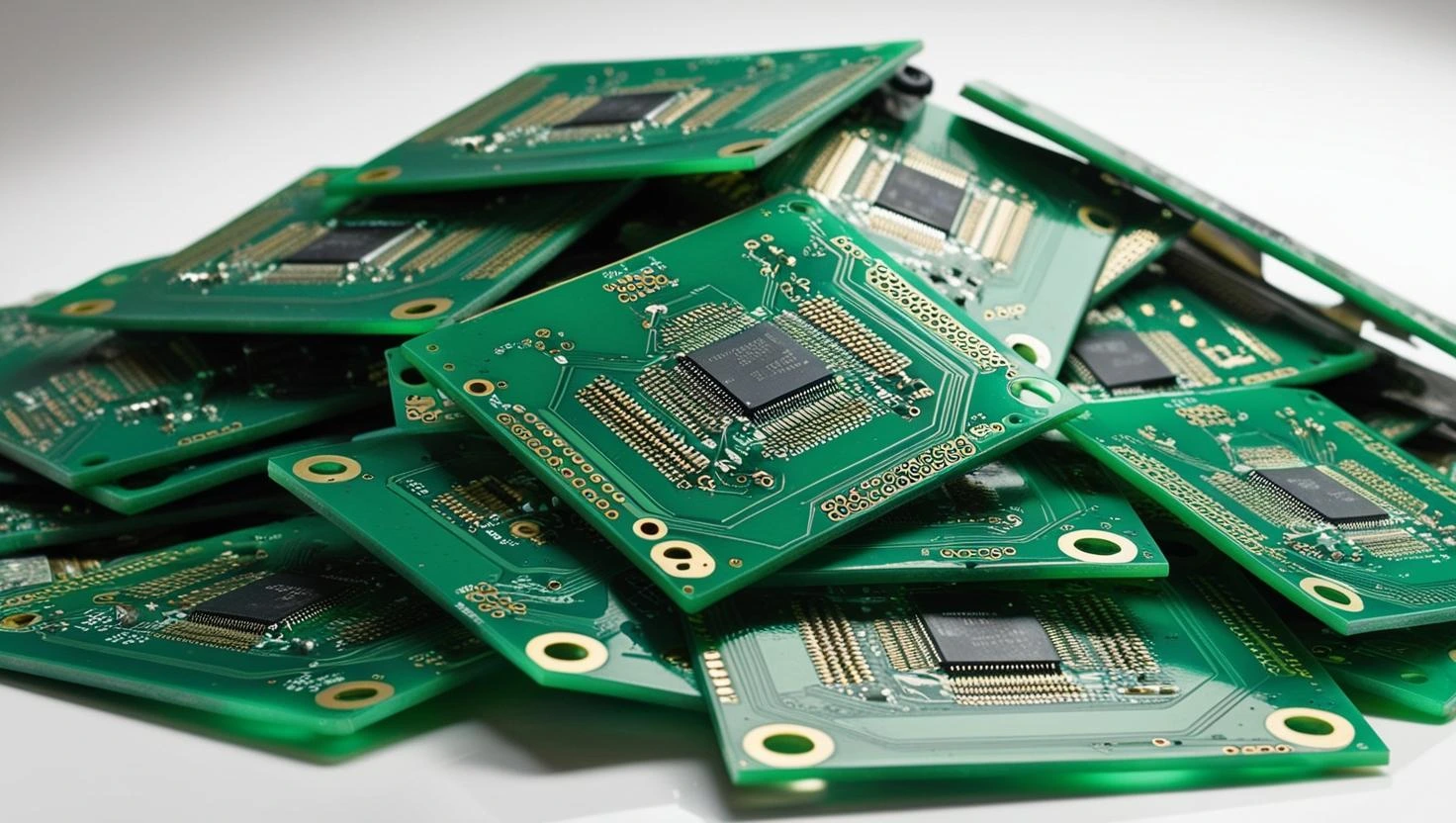
The heart of almost every electronic application are printed circuit boards (PCBs).
With the help of the circuit diagram, the developer routes a so-called PCB layout. The parts / components required later are already taken into account at this stage.
For complex designs such as HDI, multilayer aluminum circuits, hybrid circuits as well as flex and rigid-flex PCBs, the intended PCB manufacturer should already be involved in the feasibility of the product at this stage. This ensures maximum reliability of the subsequently produced printed circuit board.
Depending on the application and area of use (industrial control systems, consumer electronics or in the automotive industry) as well as the assembly of components, the corresponding key parameters of the PCB to be produced are then defined. These include the following basic parameters:
- Material
- Final thickness of the printed circuit board
- Stop lacquer
- Final surface
Electrical connection of the components:
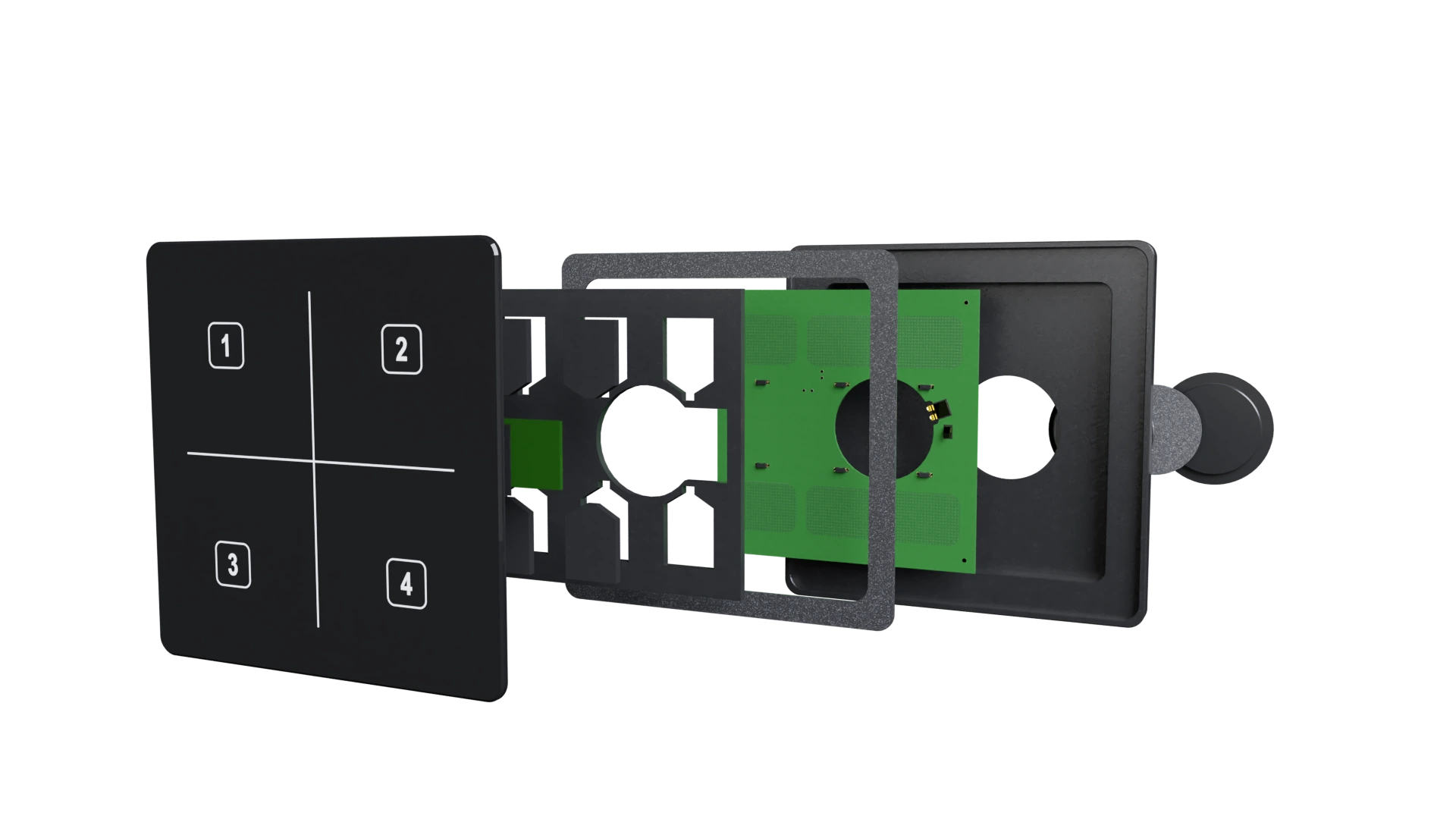
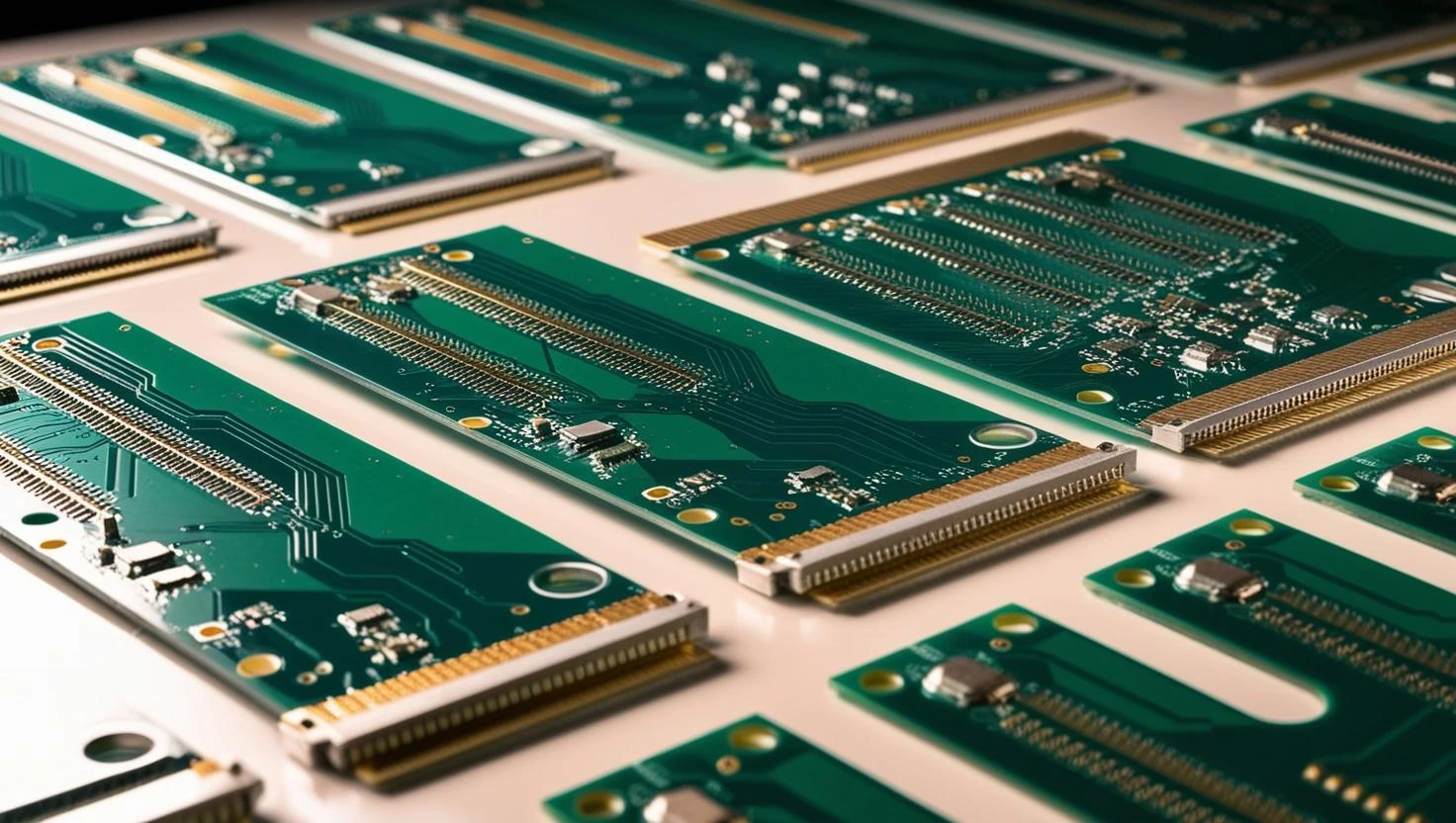
The conductor tracks provide the electrical connection between the components (transport of electricity). Conductors are responsible for the function of the application. Signals can be weakened or interfere with each other if the conductor tracks are too narrow or routed unfavorably. In the worst case, this can lead to product failure.
Mechanical support: PCBs serve as a carrier for electronic components. The material properties have a decisive influence on the function of the PCB.
The various base materials differ in their material composition, which in turn influences their thermal and electrical properties. The most commonly used base material is FR4, which consists of a glass fiber fabric with epoxy resin.mechanical support:
Mechanical support:
Printed circuit boards serve as carriers for electronic components. The material properties have a decisive influence on the function of the PCB. The various base materials differ in their material composition, which in turn has an influence on the thermal and electrical properties. The most commonly used base material is FR4, which consists of a glass fiber fabric with epoxy resin.

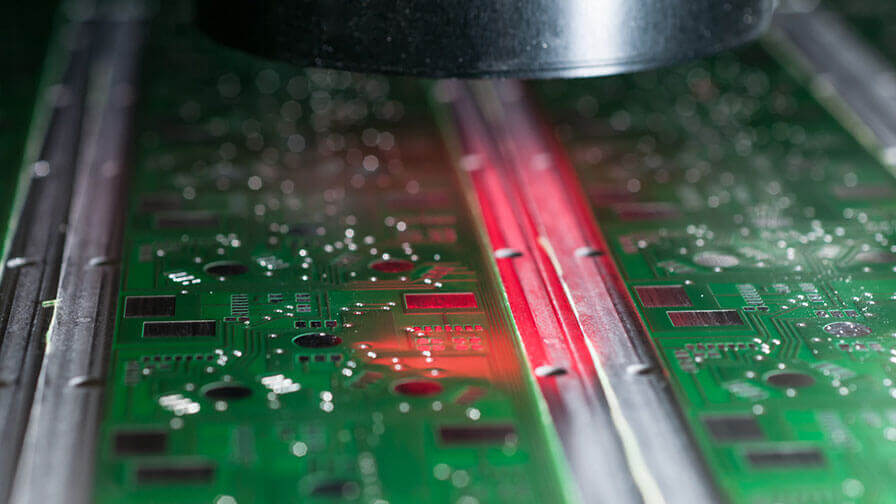
Heat management:
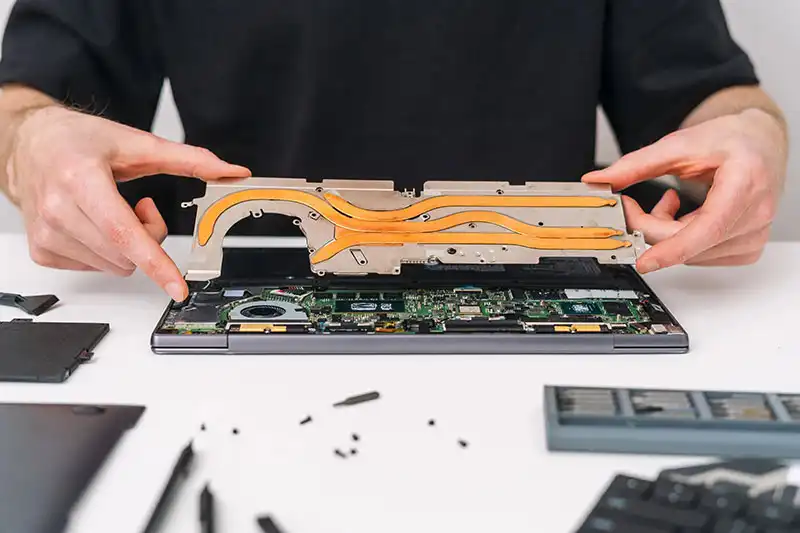
Electronic components often generate heat that needs to be dissipated to prevent overheating. Overheating can lead to component failure or damage. PCBs must therefore be designed in such a way that the heat generated is dissipated efficiently. Thermal management must be taken into account as early as the layout design stage. The layout is designed accordingly based on the selected components. The heat is dissipated, for example, via thermal pads, certain arrangements of holes (thermal vias) or so-called heat traps.
Materials also have an essential influence on thermal management. With increased thermal stress, aluminum PCBs are usually used to dissipate heat efficiently. PCBs made of aluminum consist of the base carrier aluminum + dielectric (also called prepreg) + copper foil. The dielectric is responsible for dissipating heat to the aluminum, which is determined by the thermal conductivity of the material.
The life cycle of an FR-4 circuit under the influence of heat can already be achieved by increasing the final thickness.
Signal transmission:
Printed circuit boards must ensure that electrical signals are transmitted without delays or interference. This is particularly important in high-frequency applications where the quality of signal transmission is critical to the performance of the entire system. Precise signal routing and the correct arrangement of traces are necessary to minimize signal loss or interference. This is particularly important for sensitive electronic devices such as communication systems or measuring devices, where any disturbance in signal quality can impair the function. To ensure this, a high level of process stability is essential for the PCB manufacturer.
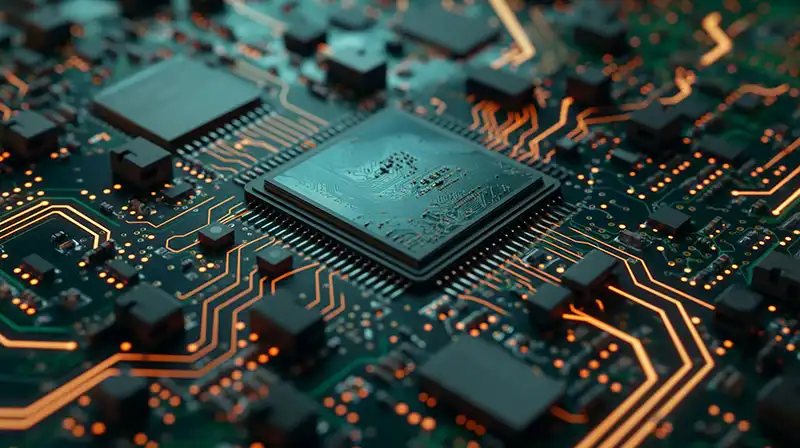
These tasks make it clear why the quality and design of printed circuit boards are crucial for the reliability and performance of electronic devices. A well-developed layout ensures smooth operation, high stability and a long life cycle of the electronic assembly. It plays a key role in ensuring that the end product works reliably and meets the requirements of the respective application. Careful selection of materials, a well thought-out layout and precise manufacturing are therefore of the utmost importance.