

 Deutsch
 Korean
HMI systems: The interfaces to man & machine
Human-Machine Interface (HMI) is the interface through which people interact with machines. HMI systems are indispensable in many industries, as they make it much easier to operate and monitor processes and increase efficiency. But what exactly is behind this term? Why are HMI systems essential for technological progress and how are they developed and used? Here we offer you an introduction to the world of HMI solutions from EVYTRA as well as an introduction to the basics, applications and possibilities of HMIs.
What does HMI mean?
HMI stands for "Human-Machine Interface". It refers to the interface through which a person interacts with a machine or system. This interaction takes place via physical or digital elements such as buttons, touchscreens, dials or voice commands. The aim of an HMI is to make communication between man and machine as efficient, intuitive and user-friendly as possible.
An HMI ensures that users can understand and control how a machine works.
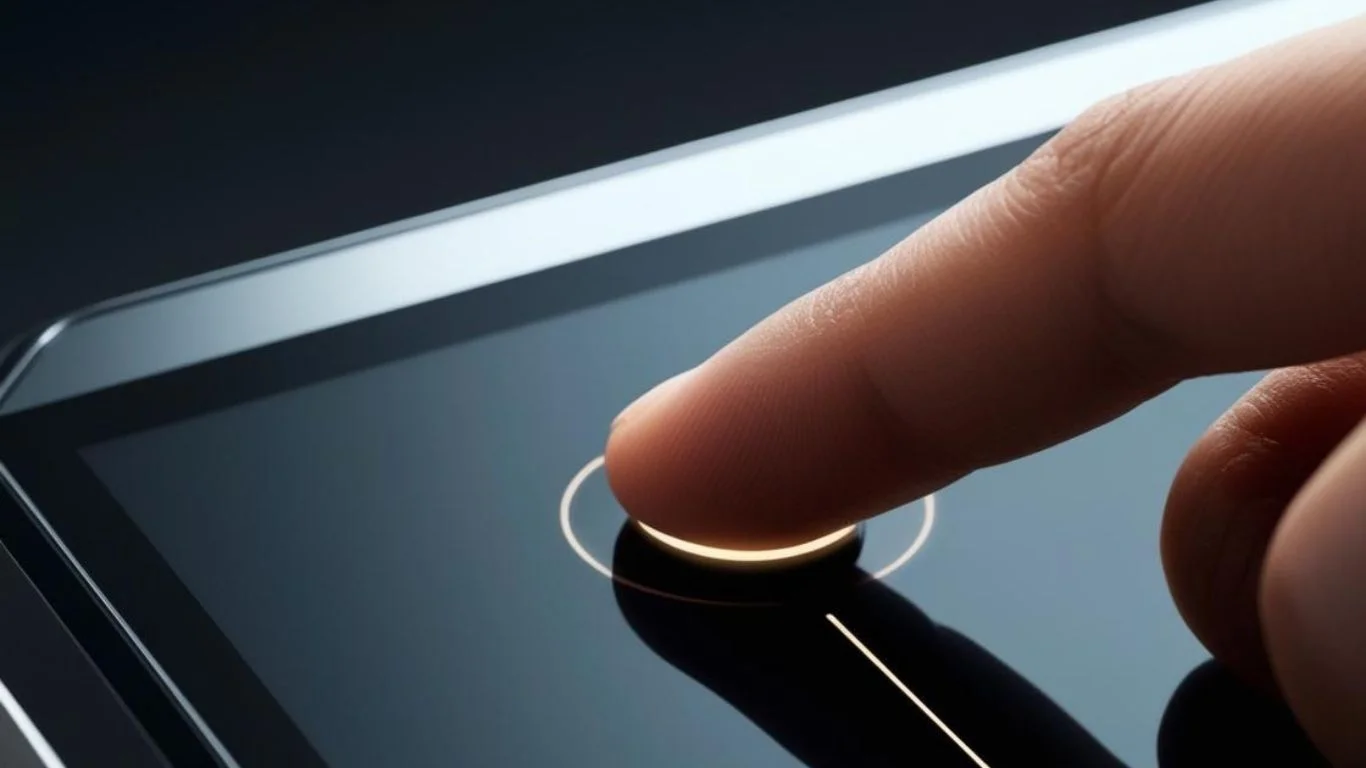
It is not just a tool for operation, but also a platform for monitoring processes and preventing errors. A well-designed HMI interface makes a significant contribution to increasing the efficiency and safety of a system. For example, an HMI in a production plant can display data on machine performance, issue warnings and also prevent operating errors.
What are HMI systems?
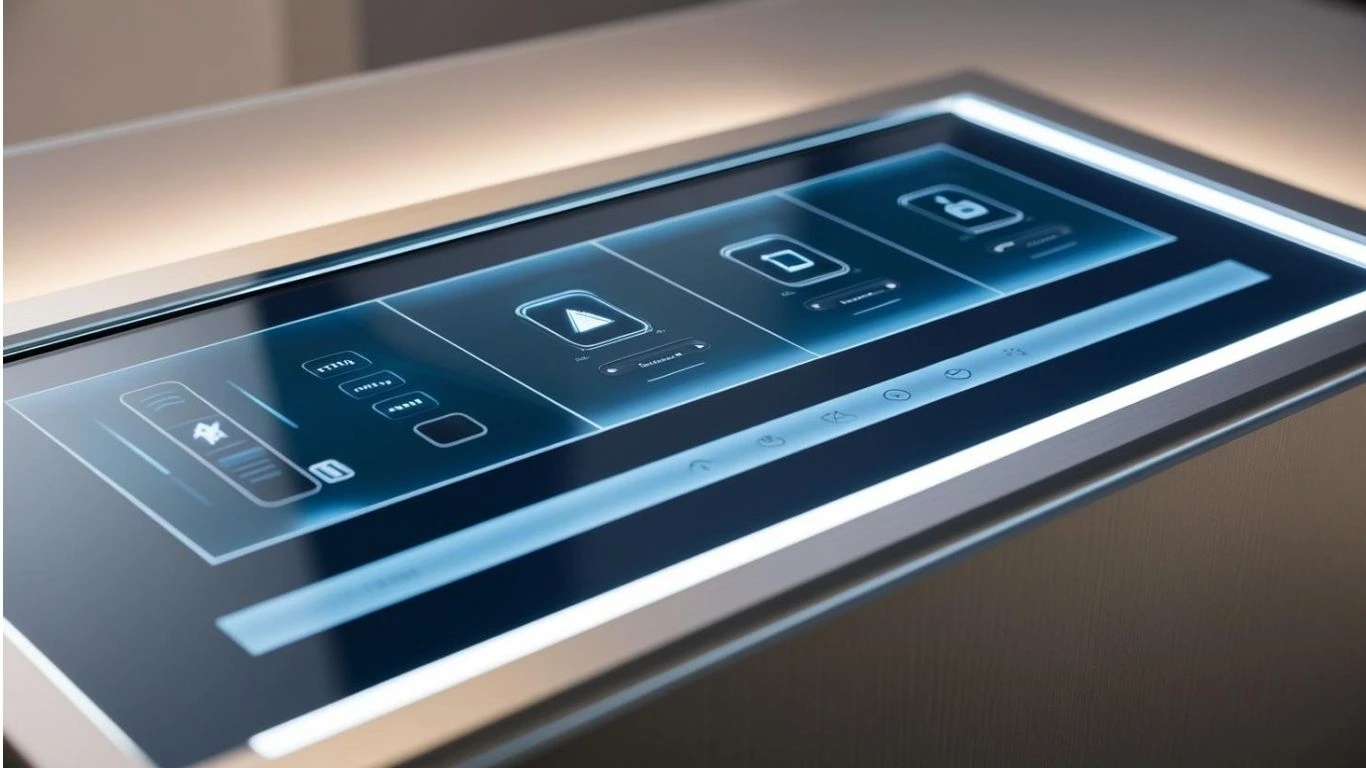
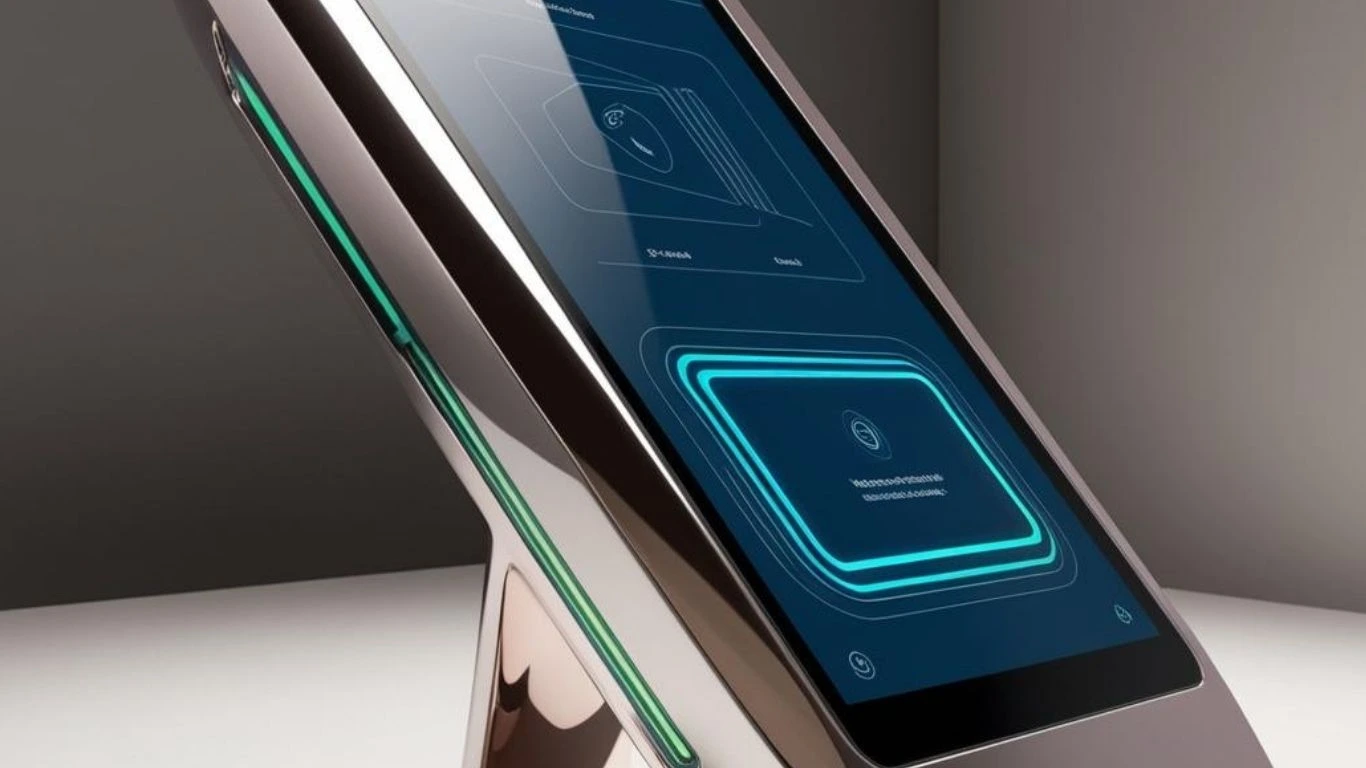
HMI systems include both hardware and software that work together to enable human-machine interaction. The hardware typically consists of touchscreens, switches, rotary knobs or LEDs that serve as physical interfaces. The software processes data, visualizes it and makes it understandable and accessible to the user.
A modern HMI system offers far more than simple control functions. It enables machines to be monitored, settings to be adjusted, faults to be diagnosed and complex processes to be controlled. At best, operation is intuitive.
For example, a dashboard for a medical device not only displays activity, but also warnings and navigation information. In industry
an HMI can display the status of machines in real time, adjust operating parameters and help to minimize downtimes.
Where are HMI systems used?
HMIs are used as operating systems in numerous industries, as they enable intuitive operation of machines and systems. They are a central component of modern technology and are used as innovative operating systems in the following areas:
1. industrial automation | HMI systems
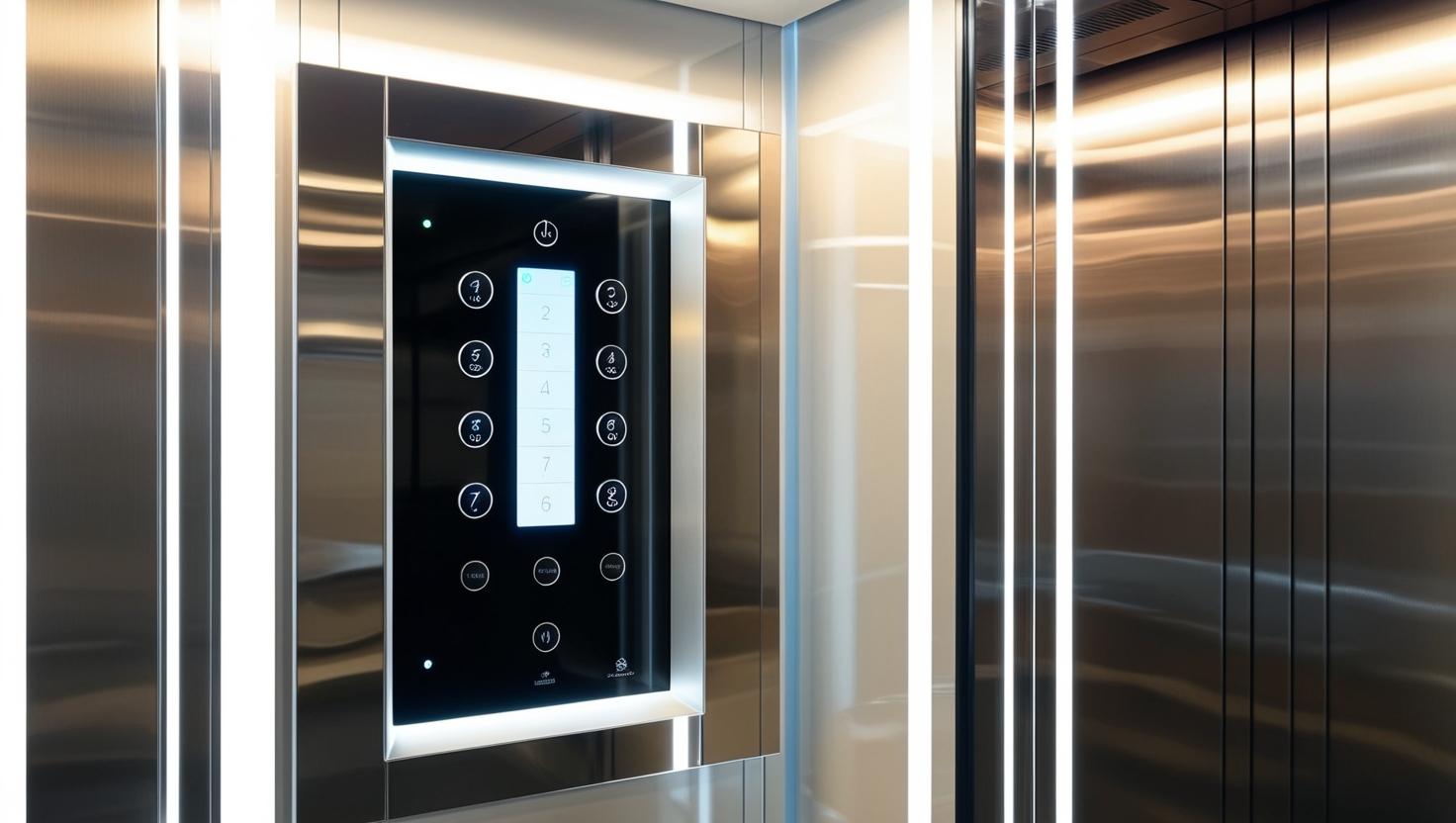
In industrial manufacturing, HMIs enable the control and monitoring of machines, robots and production processes. Intuitive user interfaces improve efficiency and safety by providing real-time data and informing operators of malfunctions at an early stage.
2. medical technology | HMI systems
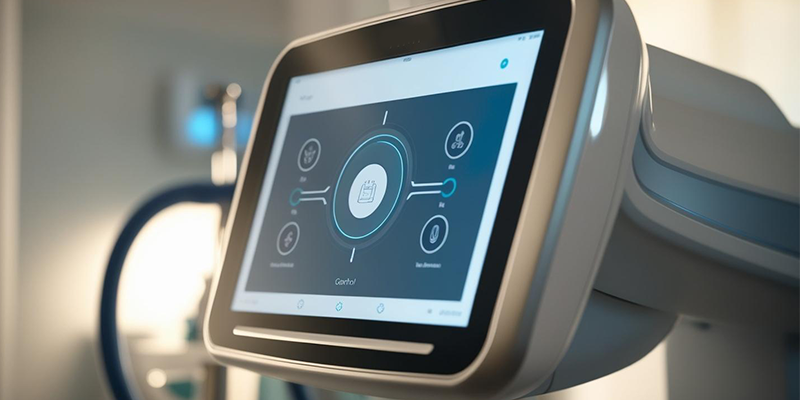
In medical devices and systems, HMIs ensure precise operation and monitoring of diagnostic and treatment units. Touchscreen-based controls offer doctors and medical staff intuitive user guidance and maximum hygiene, e.g. for ultrasound devices or infusion pumps.
3. vehicle technology | HMI systems
Modern vehicles use HMIs for central operating elements such as touch displays, gesture control or voice commands. They improve user-friendliness and contribute to safety by displaying important information such as navigation or vehicle systems clearly and concisely.
4. building technology & Smart Home | HMI systems
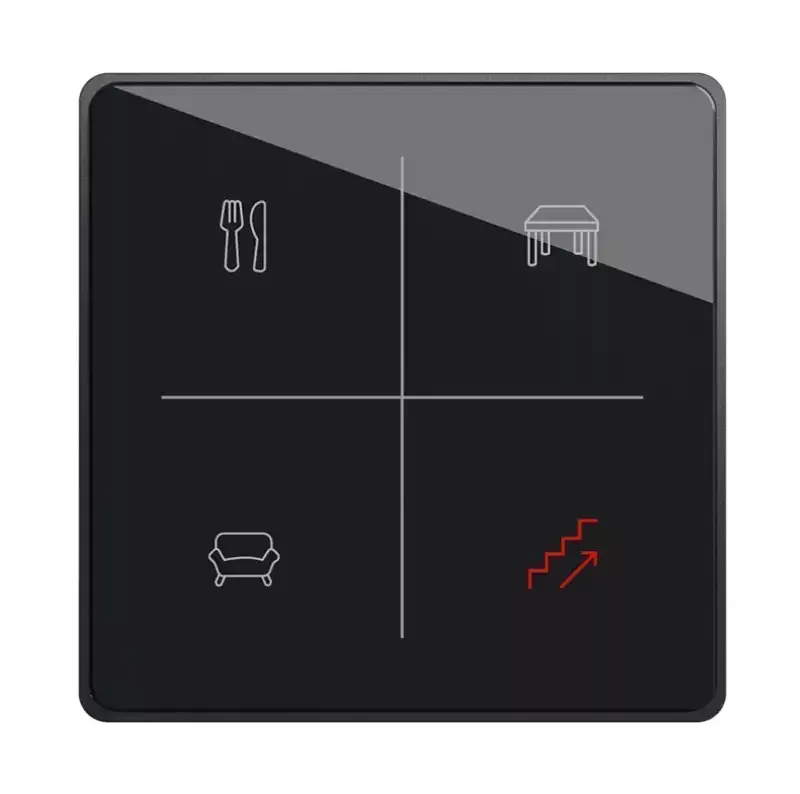
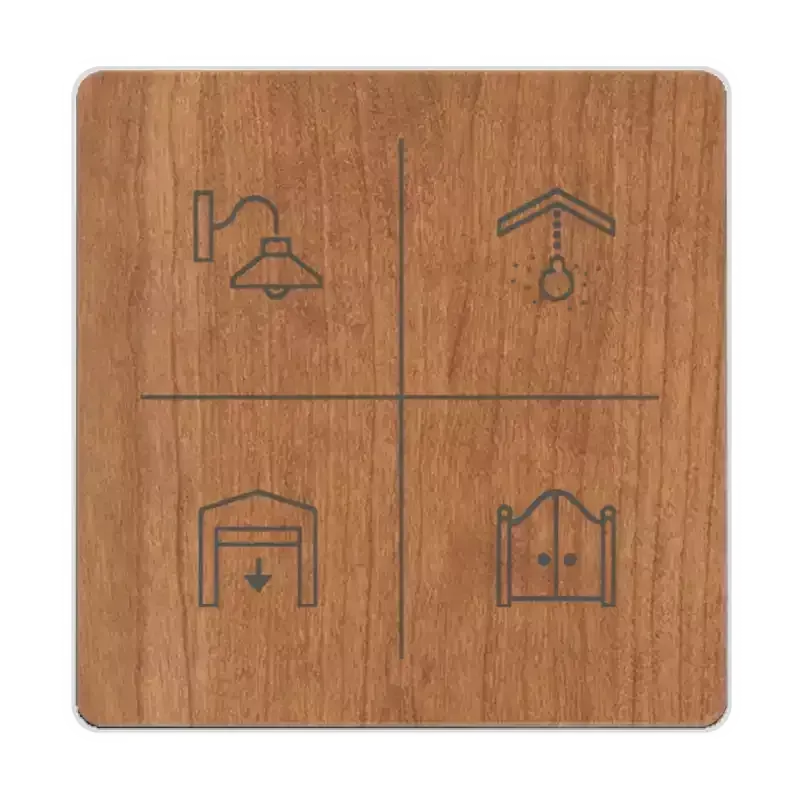
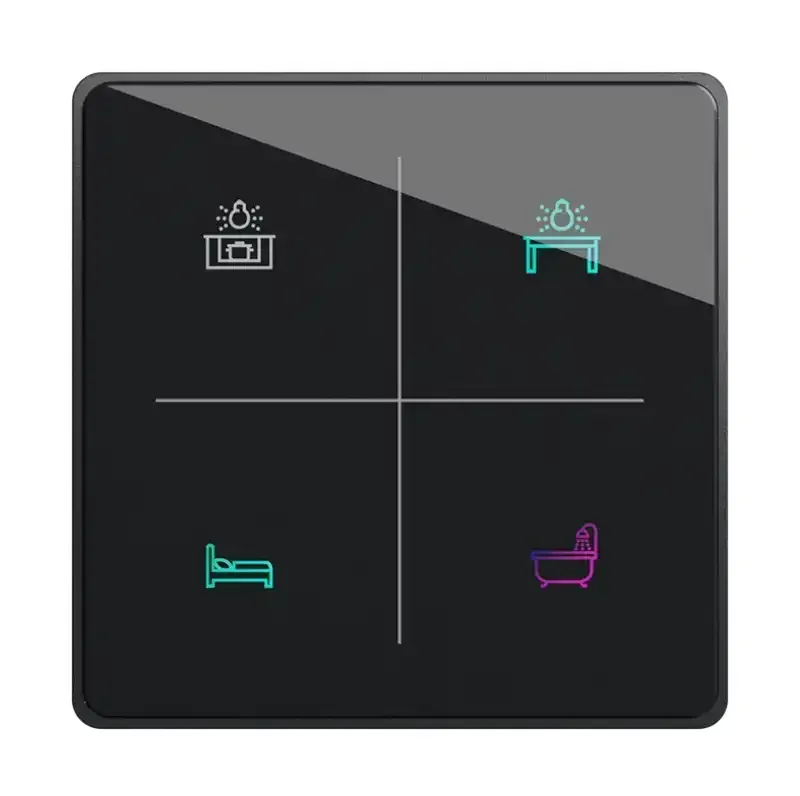
From lighting controls to air conditioning and access systems - HMIs are an integral part of building automation. Smart touch panels made of glass enable aesthetic and hygienic operation.
5. aerospace | HMI systems
In cockpits and control centers, HMIs are essential for displaying flight data and system status information. Ergonomically designed control panels with clear visualization help pilots and technicians to react quickly and safely to changes.
6. consumer goods & consumer electronics | HMI systems
From household appliances to high-end audio devices - HMIs make operation easier with interactive displays and capacitive touch control panels. They offer a modern, appealing user experience with customizable functions.

Medical & Laboratory Technology
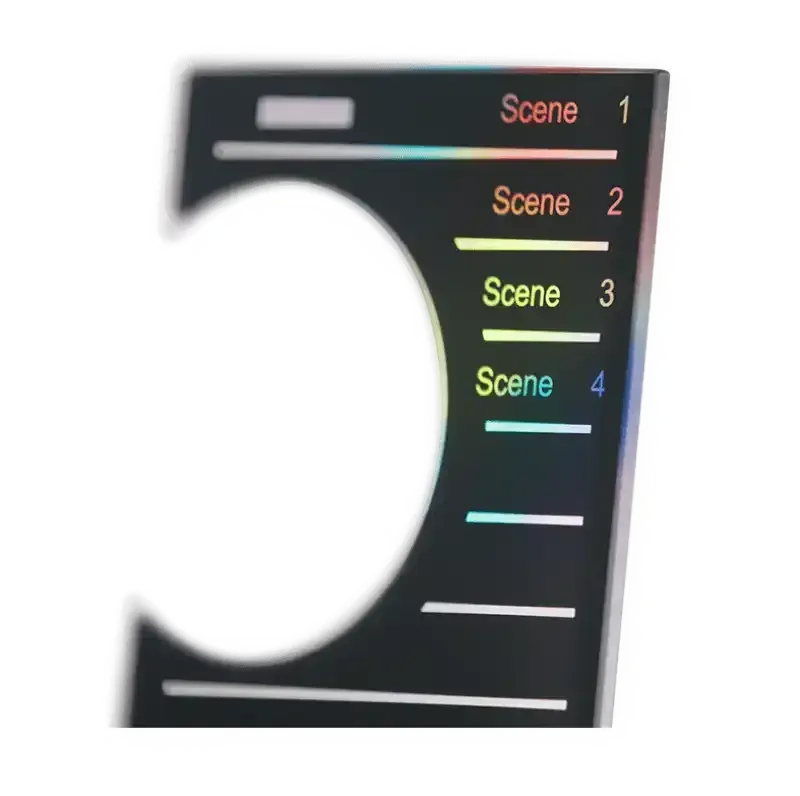
Building Automation
Caravan & Recreational Vehicles
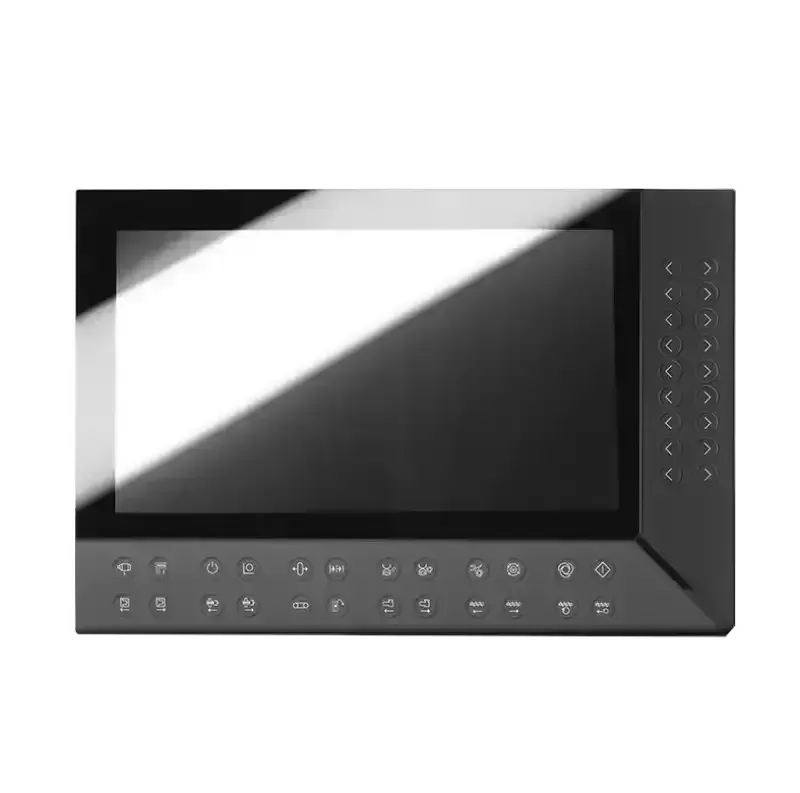
Industrial Automation
Wellness & Fitness
EVYTRA SWITCH CASAMBI
How are HMI solutions manufactured
The production of an HMI system is a multi-stage process that requires precise know-how and close cooperation with customers. It begins with a needs analysis to determine the specific requirements in terms of functionality, user-friendliness and design. The aim is to create a system that both meets the technical requirements and offers users an optimal experience.
In the design process, the user interface is developed to be both aesthetically pleasing and functional. An intuitive layout, clearly placed controls and an appealing color scheme are crucial to maximize usability. Once the design is complete, prototyping takes place, during which the system is extensively tested to identify weaknesses and make optimizations.
Production involves manufacturing the hardware components and programming the software. State-of-the-art technologies ensure that the systems are manufactured precisely and efficiently. Finally, the HMI system undergoes rigorous testing to ensure quality and reliability before it is integrated into the respective environment.
Further information under Competencies.